
SensUs 2026: Shaping the Future of Biosensing for Parkinson’s Disease
SensUs 2026 once again challenged ambitious students from around the world to push the boundaries of biosensing, and this year’s theme couldn’t be more relevant for the Parkinson’s disease (PD) community. The competition focuses on developing innovative biosensing systems for Parkinson’s disease, with a strong emphasis on continuous, wearable levodopa sensing. Such a sensor has the potential to be truly transformative: by monitoring levodopa levels in real time, clinicians could make more informed, personalized treatment decisions and dynamically adjust medication to reduce fluctuations that so many people with PD experience.
Beyond day-to-day clinical care, continuous levodopa sensing would open new doors for research. It could help scientists better understand the pharmacokinetics of levodopa across different biological matrices, improving treatment strategies, especially for people in the later stages of Parkinson’s disease. Ultimately, this line of innovation brings us closer to a long-term vision many in the field share: closed-loop levodopa therapy, where sensing and treatment are seamlessly integrated to optimize symptom control.
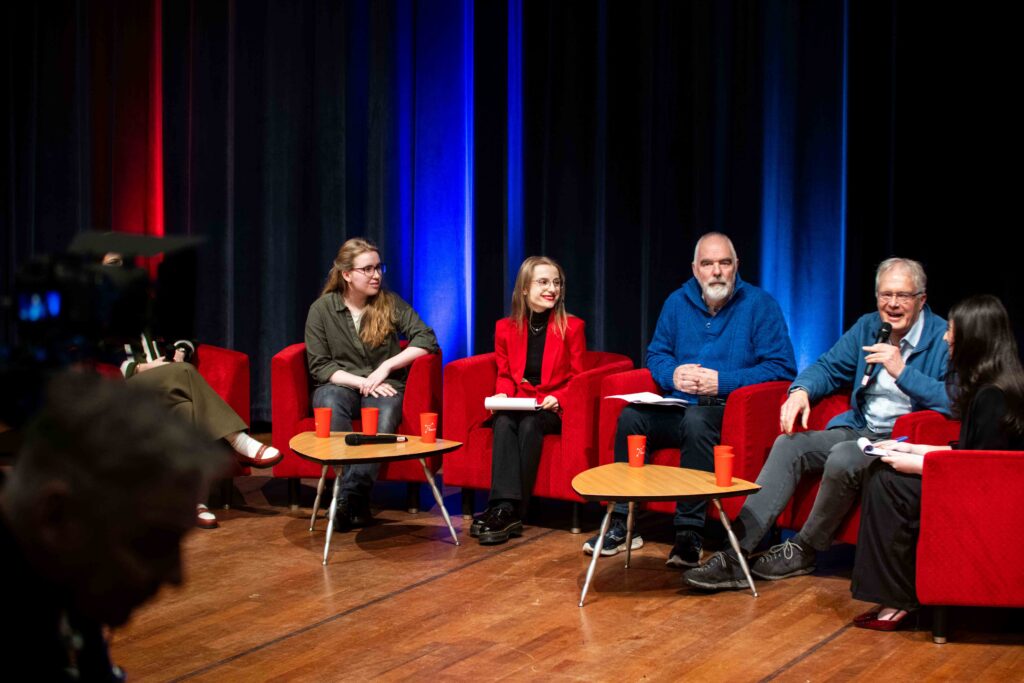
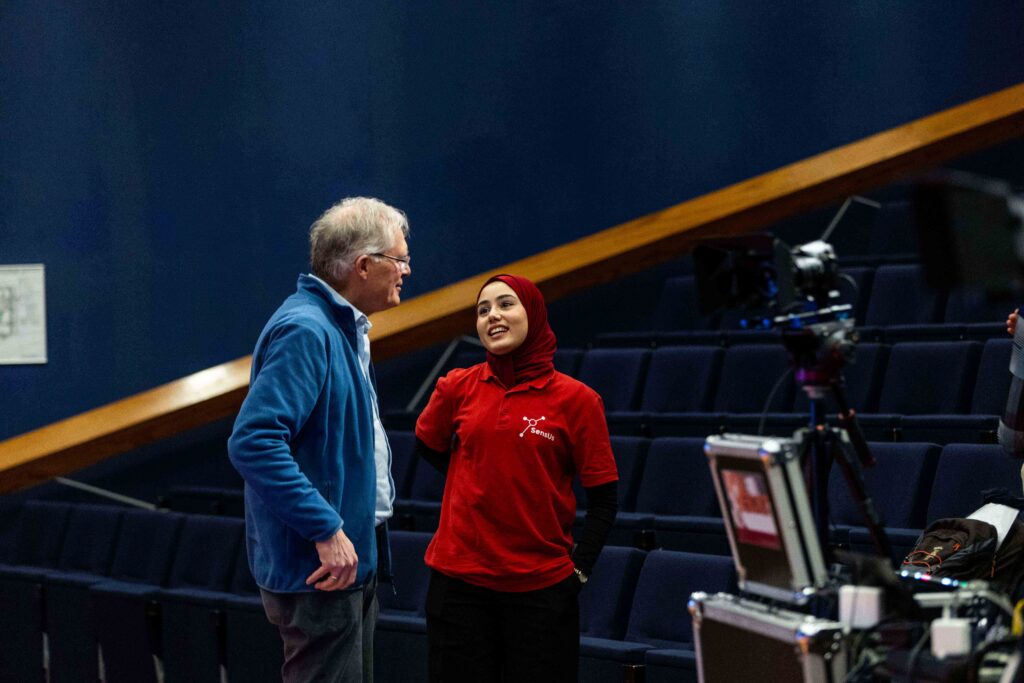
We were proud to be present at SensUs 2026 to share, tell, and show the PD-Trends app: a tool designed to help people with Parkinson’s and their doctors gain insight into changes in tremor over time. It was truly inspiring to connect with students, researchers, and innovators who are all working toward the same goal: better, more personalized care for people living with PD.
What made this encounter especially interesting is the strong complementarity between the SensUs focus and PD-Trends. While the student teams are working on a continuous levodopa sensor, their technology does not directly measure Parkinson’s symptoms. PD-Trends, on the other hand, focuses precisely on symptom monitoring. Combining both measurements: Levodopa levels and symptom changes. In a single graph could open the door to an even more personalized approach to treatment. Looking ahead, there is exciting potential for integrating sensor data directly into the PD-Trends app. Definitely something to explore in future collaborations.
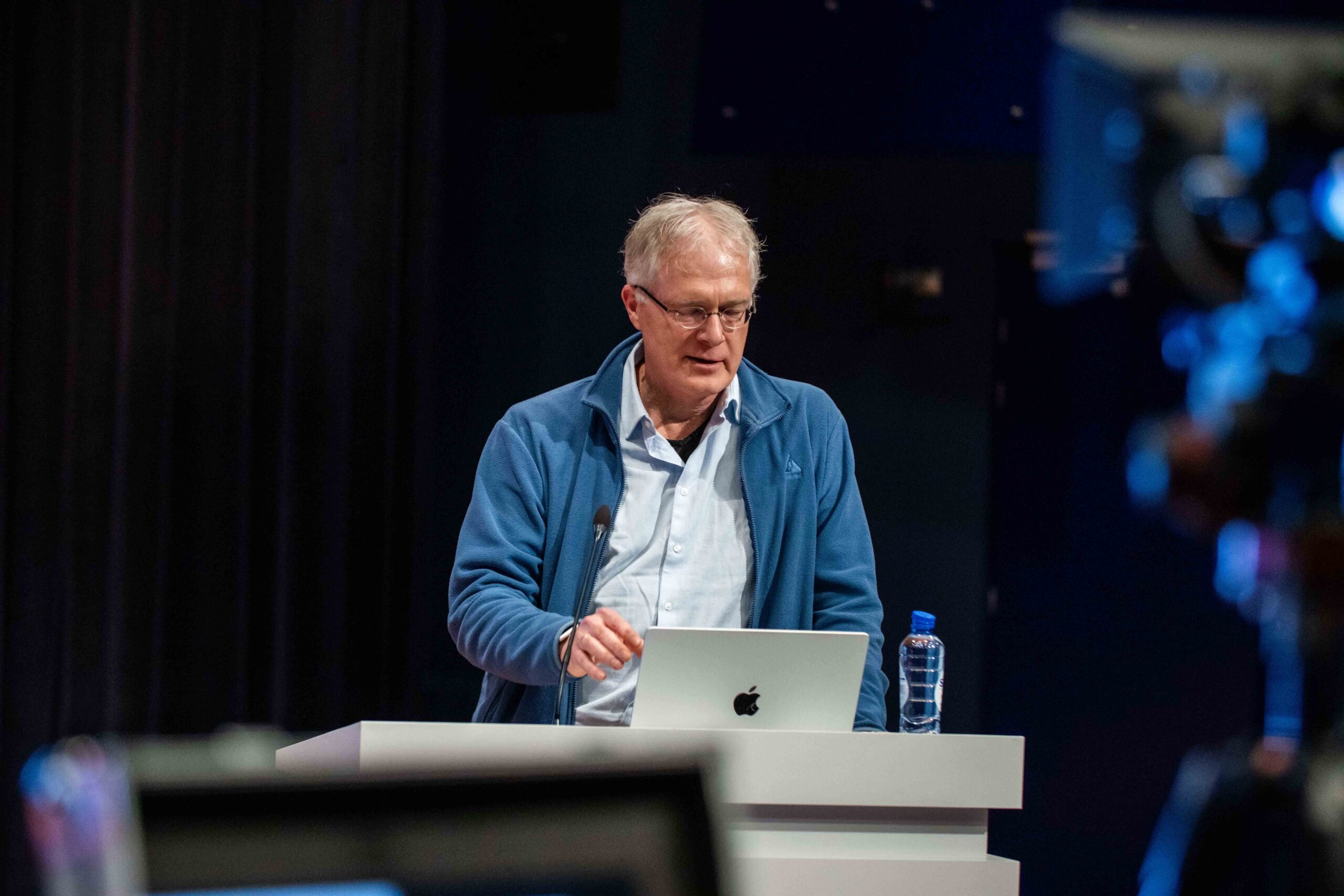
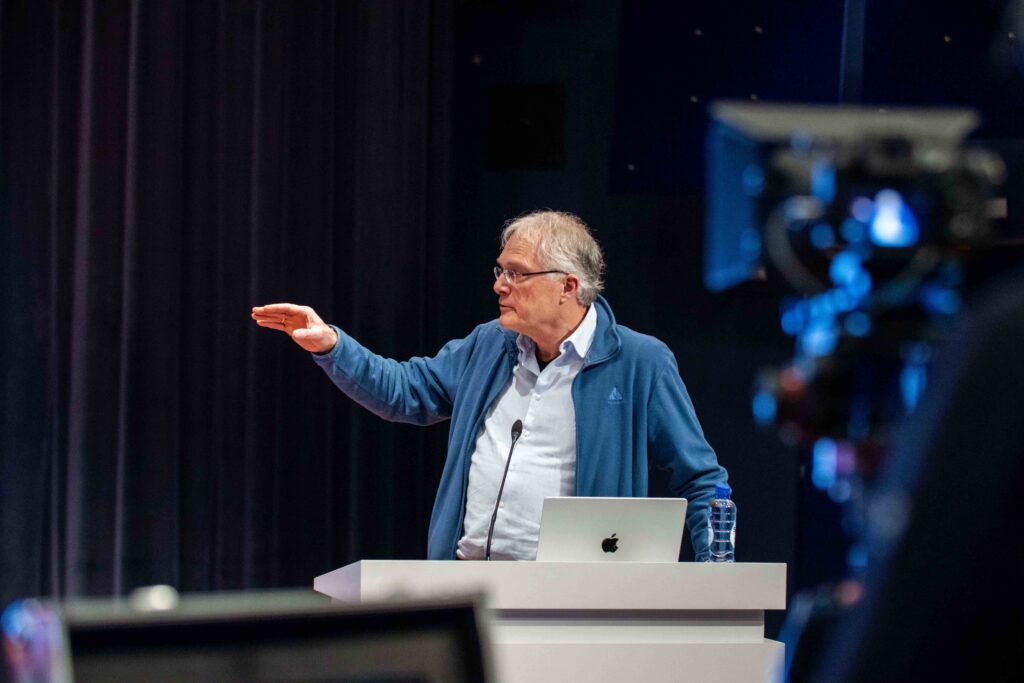
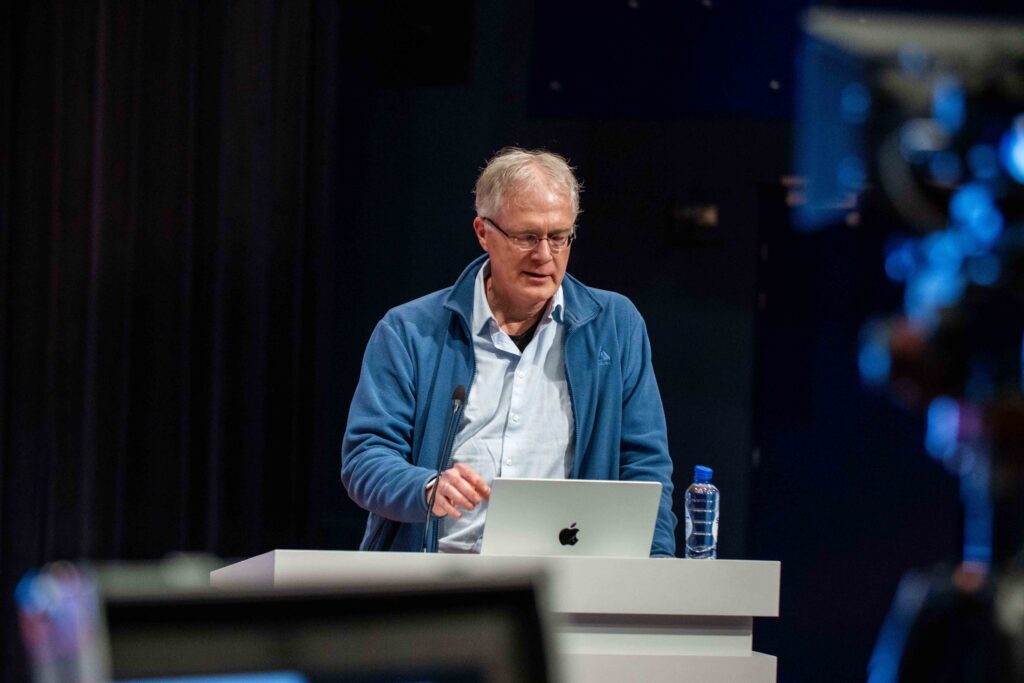
A big thank you to everyone who attended and engaged with us. And if you couldn’t make it, be sure to scroll to 25:35 in the video below, where Maarten Jongsma explains PD-Trends in his own words.👉 Watch the SensUs 2026 session:
https://www.youtube.com/live/KqFEkOY8_Lw
👉 Learn more about the SensUs 2026 theme:
https://sensus.org/competition/theme-2026
One response
Thanks for the blog Esther!